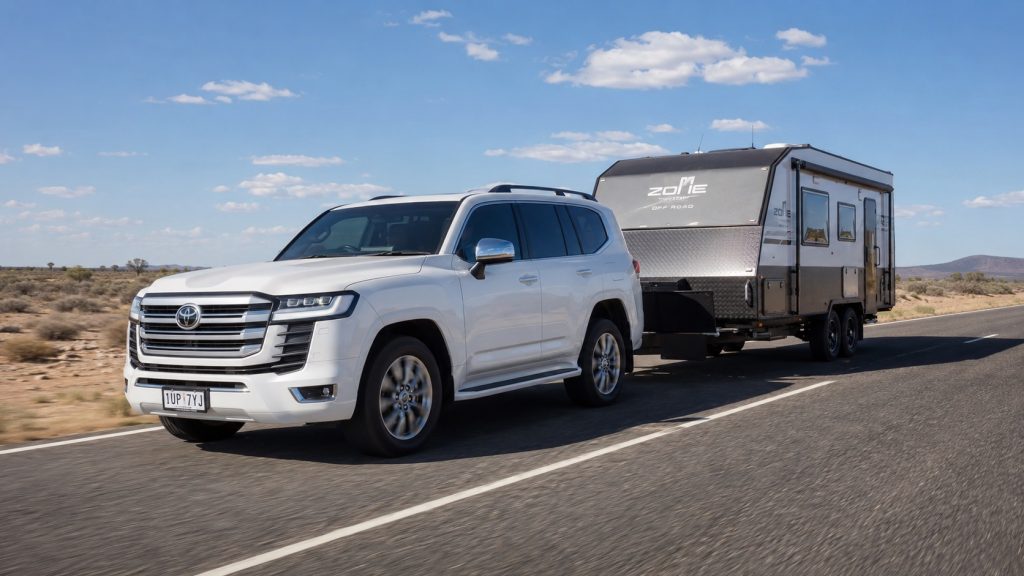

A 300 Series transmission cooler upgrade is a common question from Toyota LandCruiser 300 owners who tow caravans, travel long distances, drive on sand, or run heavily loaded touring setups.
Most owners do not start looking into transmission cooling for no reason. Some have seen a transmission temperature warning. Some have fitted a ScanGauge, OBD display or aftermarket monitor and noticed the transmission temperature climbing under load. Others are setting up the vehicle for towing and want to improve reliability before the first big trip.
The LandCruiser 300 Series is a capable vehicle, but towing a heavy caravan through Queensland heat, climbing long ranges, driving on soft sand, or running larger tyres and extra weight can place far more heat load on the transmission than normal road driving.
A transmission cooler upgrade is not about fixing a faulty transmission. It is about giving the transmission more cooling capacity and more thermal headroom when the vehicle is being used for towing, touring and heavy load applications.
Why the LC300 Transmission Runs Warm from Factory
The Toyota LandCruiser 300 Series uses a modern 10-speed automatic transmission matched to the 3.3L twin turbo diesel engine. Like most modern automatics, the transmission is designed around drivability, fuel efficiency, emissions performance and smooth operation across a wide range of conditions.
Modern automatic transmissions do not always run as cool as older setups. They are designed to reach an efficient operating temperature. Warmer fluid reduces drag, helps the transmission operate efficiently, and supports the vehicle’s factory calibration strategy.
That is normal. It does not mean the transmission has a problem.
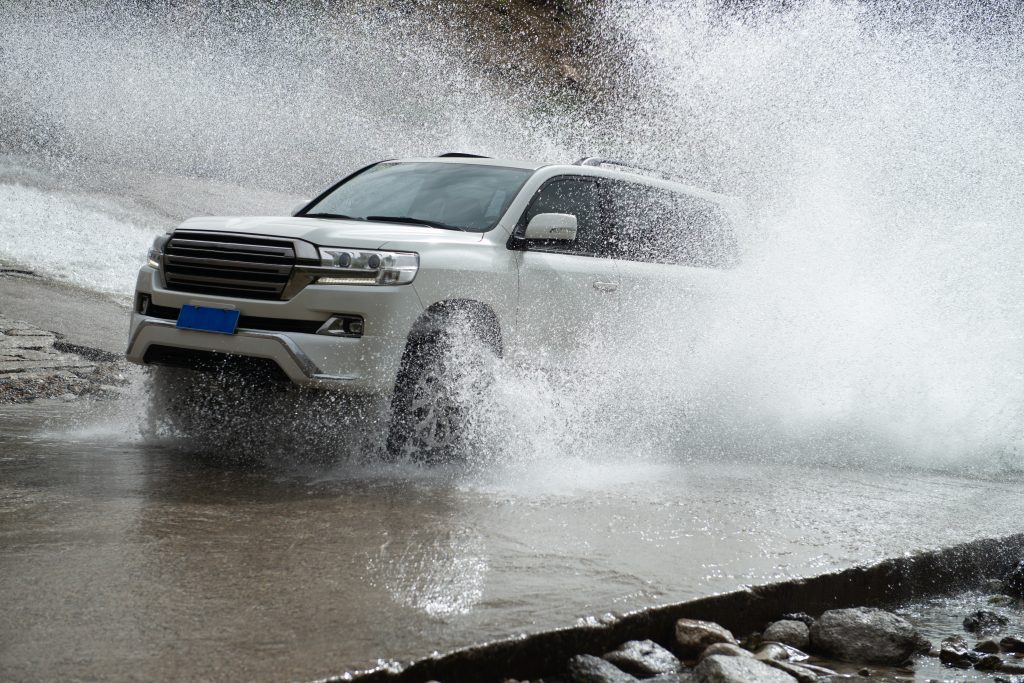
The issue is that factory cooling and calibration are designed to suit a broad range of use. Many Australian LandCruiser owners use their vehicles well beyond normal day-to-day driving. A 300 Series towing a caravan, loaded with accessories, running larger tyres and travelling through hot conditions is working much harder than an unloaded vehicle driving around town.
That extra load creates extra heat. Over time, heat management becomes an important part of transmission reliability.
Does the LandCruiser 300 Show Transmission Temperature on the Dash?
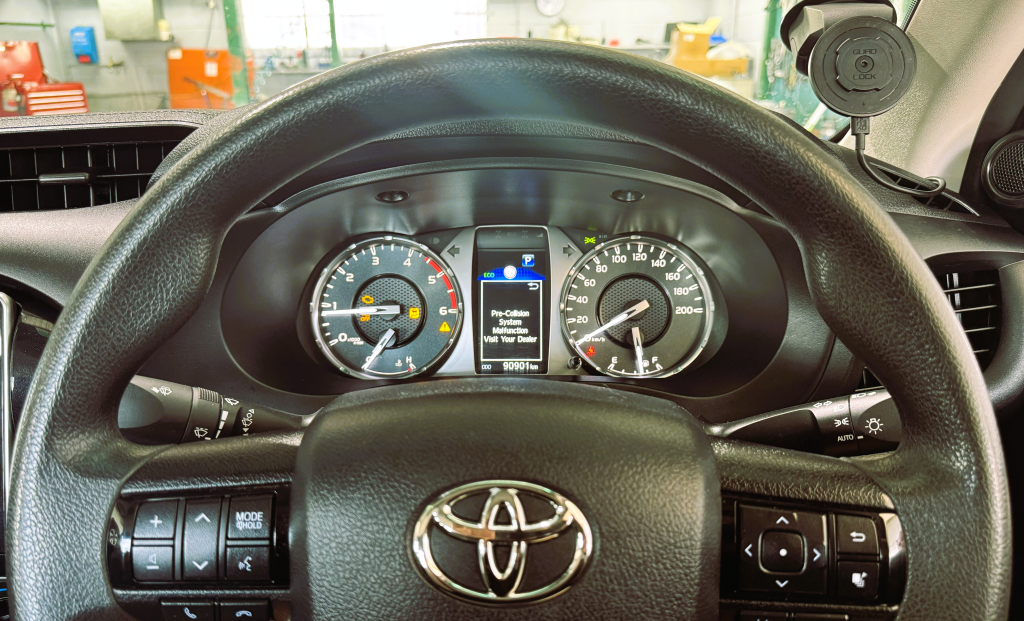
The LandCruiser 300 monitors transmission temperature through the vehicle’s control system, but it does not give the driver a normal live transmission temperature number on the factory dash.
In most cases, the driver only becomes aware of a temperature issue when one of the following happens:
- A transmission temperature warning appears on the dash
- A ScanGauge, OBD display or aftermarket monitor shows the temperature climbing
- The transmission starts to behave differently when hot
- Transmission fluid condition shows signs of heat during servicing
- The owner is preparing for towing and wants to prevent heat-related issues before they happen
This is why temperature monitoring is often recommended with cooling upgrades. Without a proper gauge or scan data, the owner usually does not know what the transmission is doing until the vehicle gives a warning or a drivability concern appears.
How LC300 Owners Know Their Transmission Is Getting Hot
Most LandCruiser 300 owners become aware of transmission heat in one of three ways.
1. The Vehicle Gives a Warning
The factory system can warn the driver if the transmission temperature becomes excessive. If a transmission temperature warning appears, it should be taken seriously.
By the time a warning appears, the transmission is already hot enough for the vehicle to alert the driver. That does not automatically mean the transmission is damaged, but it does mean the vehicle has reached a point where the heat load needs attention.
2. They Are Watching Temperature Through a Gauge or OBD Display
Many towing and touring owners fit a ScanGauge, OBD display or aftermarket transmission temperature gauge.
Once they can see the numbers, they often notice the transmission temperature rising during:
- Long highway towing
- Range climbs
- Slow speed towing
- Soft sand driving
- Hot weather
- Heavy traffic with a caravan attached
This is one of the most common reasons owners start asking about a 300 Series transmission cooler.
3. The Transmission Changes Behaviour When Hot
Not every owner sees a transmission temperature warning. In some cases, the vehicle may simply start to feel different once the transmission is working hard under load.
Modern automatic transmissions can change shift behaviour when temperatures rise. This is part of the transmission’s heat management strategy. The vehicle may alter shift timing, torque converter lock-up, or gear selection to reduce heat generation and protect the transmission.
Possible signs can include:
- Gear hunting under load
- Different shift feel once hot
- The vehicle holding gears longer than usual
- Converter lock-up behaviour changing while towing
- The vehicle feeling less responsive on long climbs
- Higher than expected temperatures shown through scan data or an aftermarket monitor
These changes do not automatically confirm a major transmission fault. In many cases, they are signs the transmission is operating in a high-temperature control strategy. The concern is not one short period of heat, but repeated high-temperature operation during towing, touring, sand driving or heavy load use.
That is where transmission cooling and temperature monitoring become important. The goal is to give the transmission more thermal headroom, so it does not need to rely as heavily on heat reduction strategies during normal towing and touring use.

Why Australian Conditions Push Transmission Temperatures Higher
A LandCruiser 300 used for school runs and highway driving has a very different life to one towing a 3-tonne caravan through Queensland in summer.
The conditions that commonly increase transmission heat include:
- Caravan towing
- Boat and trailer towing
- Long distance touring
- Soft sand driving
- Beach work on K’gari, Stradbroke, Bribie and the Cooloola Coast
- Steep climbs through the Great Dividing Range
- Stop-start traffic while towing
- High ambient temperatures
- Bull bars, winches and front-mounted accessories
- Drawer systems, canopies, roof racks and rooftop tents
- GVM upgrades
- Larger tyres
- Engine tuning or increased torque output
Each of these factors adds load to the drivetrain. When several of them are combined, the transmission works harder and generates more heat for longer periods of time.
That is the main reason transmission cooling becomes important on heavy touring vehicles. It is not just one modification or one trip. It is the combined load over time.
Why Larger Tyres Matter
Larger tyres are common on LandCruiser 300 touring setups, but they change how hard the transmission has to work.
A larger tyre effectively changes the final drive ratio. The vehicle travels further with each tyre rotation, which makes the gearing taller. That can increase load on the torque converter and transmission, especially during acceleration, towing and hill climbs.
The torque converter creates heat whenever there is slip between engine speed and transmission input speed. Some slip is normal, but more load, taller gearing and heavier vehicle weight can mean the converter spends more time working before lock-up.
More converter work means more heat.
Add a caravan, bar work, drawers, water tanks, tools, camping gear and a GVM upgrade, and the transmission can be operating under much heavier conditions than the standard vehicle was built around.
What Excessive Transmission Heat Does
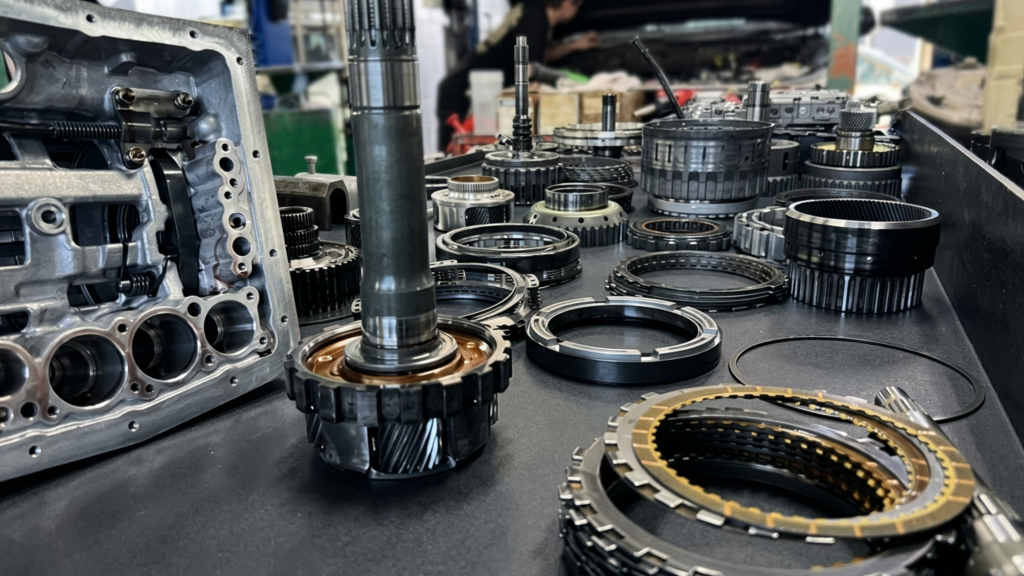
Transmission fluid does more than lubricate. It also carries hydraulic pressure, transfers heat, protects internal components, supports clutch operation and helps the torque converter operate correctly.
When transmission fluid is repeatedly exposed to high heat, it can break down faster.
Sustained heat can contribute to:
- Faster transmission fluid deterioration
- Reduced fluid stability
- Increased clutch wear
- Valve body wear
- Solenoid stress
- Seal hardening
- Torque converter stress
- Shorter transmission service life
This does not mean one hot tow will destroy the transmission. The bigger concern is repeated heat exposure over years of towing, touring and heavy load use.
Keeping transmission temperatures under better control helps reduce that long-term stress.
What a 300 Series Transmission Cooler Upgrade Actually Does
A 300 Series transmission cooler upgrade adds extra cooling capacity to the transmission oil circuit.
The aim is not to make the transmission run cold. Modern automatic transmissions need to operate within a proper temperature range. The aim is to help control temperature when the vehicle is working hard.
A correctly selected and fitted transmission cooler can help with:
- More stable transmission fluid temperatures under load
- Better heat recovery after climbs or heavy towing
- Reduced heat build-up during long-distance towing
- Improved temperature control during beach driving
- Extra safety margin in hot weather
- Reduced thermal stress on transmission fluid and internal components
For owners who already monitor transmission temperature, the difference is usually seen in how the temperature behaves. Instead of climbing and staying high, the system has more ability to recover once the load eases.
A Cooler Upgrade Is Not a Repair for a Damaged Transmission
This point matters.
A transmission cooler upgrade is a heat management improvement. It is not a fix for an already damaged transmission.
If the vehicle already has slipping, flaring, harsh shifting, warning lights, burnt fluid, fault codes or abnormal operation, the transmission should be diagnosed before fitting upgrades.
Cooling helps protect a healthy transmission under load. It does not repair worn clutch packs, valve body faults, converter problems or internal damage.
At Ron Hill Automatics, recommendations are based on the vehicle’s condition, how it is used, and what the owner is trying to achieve.
Fitment Considerations on the LandCruiser 300 Series
Not every LC300 transmission cooler setup should be treated the same.
The correct cooler setup depends on the vehicle, the accessories fitted, the towing load and the way the vehicle is used.
Important fitment considerations include:
Airflow
A cooler needs airflow to work properly. Bull bars, winches, driving lights and front-mounted accessories can affect airflow through the cooler core.
A larger cooler in poor airflow may not perform as well as a properly placed cooler with clean airflow.
Plumbing Layout
On modern vehicles, cooler plumbing needs to be considered carefully. Many setups are designed to work with the factory cooling system rather than simply removing it from the circuit.
The aim is to add cooling capacity while still allowing the transmission to operate correctly.
Hose and Fitting Quality
A transmission cooler is part of the transmission oil circuit. Hose quality, fitting quality, routing, clearance and securing are all important.
Poor installation can create leaks, rubbing, kinks or long-term reliability issues.
Vehicle Setup
A standard LC300 towing occasionally may not need the same cooling setup as a GVM upgraded vehicle towing a large caravan across northern Australia.
The right answer depends on the job the vehicle is being asked to do.
Who Benefits Most From a 300 Series Transmission Cooler?
A 300 Series transmission cooler upgrade is most commonly recommended for LC300 owners using the vehicle for:
- Caravan towing
- Camper trailer towing
- Long distance touring
- Beach and sand driving
- Heavy load applications
- GVM upgraded setups
- Larger tyre combinations
- Heavily accessorised touring builds
- Trade vehicles carrying constant weight
- Vehicles towing in hot climates
- Vehicles fitted with performance tuning
If the vehicle spends most of its life unloaded on sealed roads, the factory cooling system may be adequate.
The case for a cooler upgrade becomes stronger as the load, distance, temperature and towing demand increase.
Supporting Upgrades Worth Considering
A cooler upgrade can be fitted by itself, but on some vehicles it may be worth looking at other supporting upgrades at the same time.
These can include:
Transmission Servicing
A transmission service helps confirm fluid condition and sets a known service baseline before further upgrades are fitted.
If the fluid is already dark, burnt or contaminated, that should be addressed before relying on a cooler upgrade alone.
Transmission Temperature Monitoring
Because the factory dash does not give a normal live temperature number, a monitoring device gives the driver better visibility.
This is useful for owners who tow, tour or want to understand what the transmission is doing under load.
Common Questions About 300 Series Transmission Coolers
Do I need a transmission cooler if I do not tow?
Not always.
If your LandCruiser 300 Series is mostly used unloaded on sealed roads, the factory cooling system may be suitable. A cooler upgrade is usually more relevant for towing, touring, larger tyres, added weight and heavy load use.
How can I tell if my LC300 transmission is getting hot?
The factory dash does not usually show a live transmission temperature number. Owners usually find out through a dash warning, an OBD monitor, an aftermarket gauge, a change in shift behaviour, or fluid condition during servicing.
Is a transmission over-temperature warning serious?
Yes. If the vehicle displays a transmission temperature warning, it should not be ignored. Reduce load, allow the vehicle to cool, and have the system checked if the warning has occurred under normal use or repeats during towing.
Will a transmission cooler fix shifting problems?
Not if the transmission already has a mechanical, hydraulic or electronic fault.
A cooler helps manage heat. It does not repair worn internal components, valve body problems, torque converter faults or clutch damage.
Can a transmission run too cold?
Yes. Modern automatic transmissions are designed to operate within a correct temperature range. The goal of a cooler upgrade is controlled temperature, not overcooling.
This is why cooler selection, plumbing and fitment matter.
What size cooler does the LC300 need?
There is no single answer for every vehicle. The right cooler depends on towing weight, airflow, vehicle accessories, tyre size, climate, use case and the condition of the transmission.
A properly selected and fitted cooler is more important than simply choosing the biggest cooler available.
Talk to the Workshop Before the Big Trip
The best time to think about transmission temperature management is before the big trip, not after a warning appears on the dash halfway through a towing holiday.
If your LandCruiser 300 Series is used for caravan towing, touring, beach driving, larger tyres or heavy load work, a 300 Series transmission cooler upgrade may be worth considering.
Ron Hill Automatics can inspect the vehicle, discuss how it is used, check the transmission condition and recommend a cooling setup suited to the vehicle.
For advice on LandCruiser 300 Series transmission cooling upgrades, contact Ron Hill Automatics.
Make an enquiry or call the workshop on (07) 5443 4444.