
The 10R80 transmission used across the Ford Ranger, Ranger Raptor and Ranger Super Duty platform is a strong and capable 10-speed automatic, but transmission temperature is one of the most important things to understand if the vehicle is used for towing, touring, off-road work, larger tyres or heavy load applications.
These vehicles can run hotter than many owners realise.
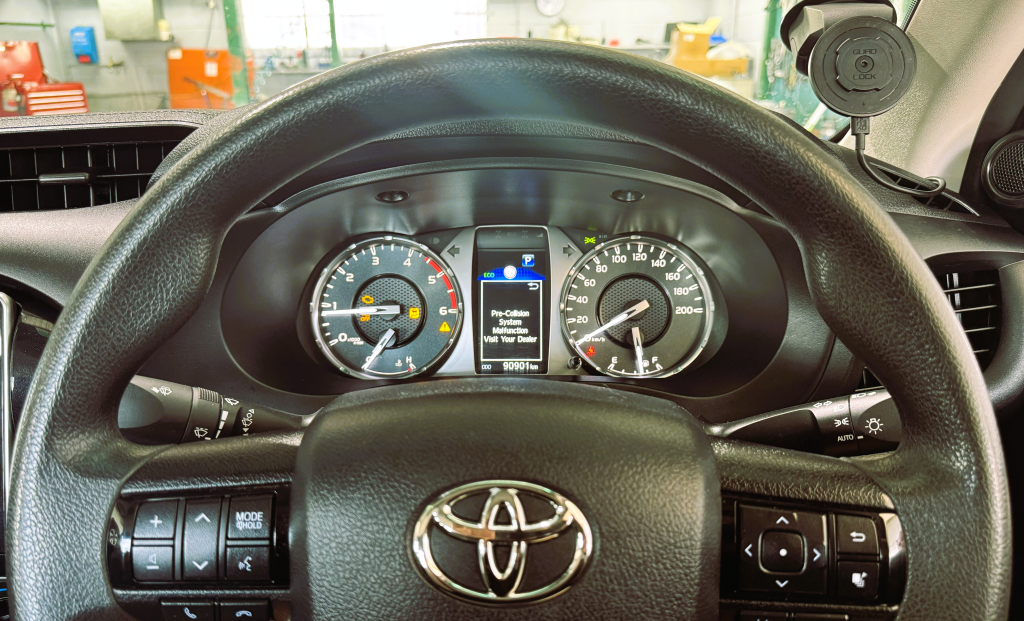
One of the main problems is that the factory dash display does not give the driver a proper live transmission temperature number. In many cases, the dash may show a normal-looking temperature range, while the transmission is already operating hotter than ideal. By the time the display moves further into the hot range, the driver still does not know the actual transmission fluid temperature or how long it has been running there.
That is why transmission cooling upgrades on these vehicles need to be looked at properly. It is not just about fitting a larger cooler. The cooling system needs full-time flow through the cooler to bring transmission temperatures back into a more suitable operating range.
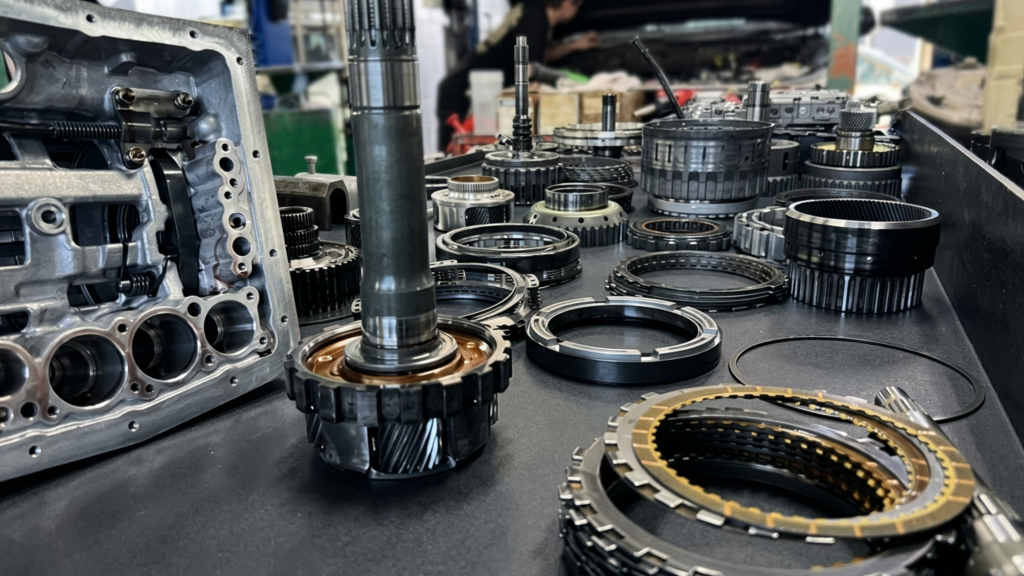
On these transmissions, that means the cooler upgrade needs to be completed with the thermostat control valve modification. This valve is located within the valve body assembly, so the valve body needs to be removed and disassembled in order to modify the thermostat control valve correctly.
What the 10R80 Transmission Is
The 10R80 is Ford’s 10-speed automatic transmission used in a range of rear wheel drive and four-wheel drive vehicles.
In the Australian market, this transmission family is fitted behind several Ranger platform engines, including the Next Gen Ranger, Ranger Raptor and Ranger Super Duty.
The transmission is designed to provide smooth shifting, close gear ratios, towing capability and improved fuel efficiency. It is a modern transmission with advanced electronic control, adaptive shift strategy and temperature management built into the system.
But like any automatic transmission, heat is one of the biggest factors that affects reliability.
When transmission fluid temperatures are too high for too long, fluid condition breaks down faster, clutch control becomes less stable, and internal wear accelerates. This is why heat management is so important on vehicles that tow, tour, carry weight or work hard.
The Factory Temperature Display Can Be Misleading
One of the biggest issues for owners is that the factory dash does not show the actual transmission temperature as a number.
Instead, many vehicles use a temperature range indicator. This can make the transmission look like it is still operating normally, even when the actual fluid temperature is already higher than where we would like to see it.
That matters because the owner may think the vehicle is fine. The display may still look normal, but the transmission may already be running 20 to 30 degrees hotter than a healthier operating range.
By the time the indicator starts moving further into the hot range, the transmission has already spent time operating at elevated temperature. The driver still does not know the exact temperature, how quickly it is climbing, or how well it is recovering once the load comes off.
This is why proper transmission temperature monitoring is so valuable. It shows what the transmission is actually doing, not just what the factory display suggests.

Why These Transmissions Run Hot
The 10-speed automatic is designed to reach operating temperature quickly and stay within a controlled range. That is normal for a modern transmission.
The concern is what happens when the vehicle is placed under sustained load. Towing, touring, sand driving, added weight, larger tyres and engine tuning all increase the heat being generated inside the transmission.
When heat is being generated faster than the cooling system can remove it, transmission temperature rises and can remain higher than ideal.
Common conditions that increase transmission heat include:
- Caravan towing
- Boat and trailer towing
- Soft sand driving
- Off-road touring
- Long distance highway towing
- Heavy payload
- GVM upgrades
- Larger tyres
- Bull bars, winches and accessories
- Engine tuning
- Hot climate driving
- Low speed work with limited airflow
The transmission may still be operating, shifting and driving normally, but that does not mean the fluid temperature is where it should be for long-term reliability.
This is why proper transmission cooling is important. A cooler upgrade with the thermostat control valve modification helps increase cooler flow and bring operating temperatures back into a more suitable range under load.
Why the Thermostat Control Valve Matters
A larger transmission cooler by itself is not enough if the transmission is not flowing oil through the cooler properly.
The 10-speed transmission uses a thermostat control valve as part of the transmission temperature management system. Its job is to help control fluid flow and assist the transmission in reaching its intended operating temperature.
The problem is that this control strategy can limit cooler flow when the vehicle is being worked hard. If cooler flow is restricted, the transmission can continue to run hotter than necessary, even with an upgraded cooler fitted.
For the cooler to do its job properly, the thermostat control valve needs to be modified so the transmission has full-time flow through the cooler circuit.
This is a critical part of the upgrade.
Without addressing the thermostat control valve, the vehicle may not get the full benefit of the transmission cooler. The hardware may be fitted, but the system may still not be using the cooler as effectively as it should.
Why the Valve Body Needs to Be Removed
The thermostat control valve is not an external part that can be properly modified from outside the transmission.
It is located within the valve body assembly. To carry out the modification correctly, the valve body needs to be removed and disassembled.
This allows the thermostat control valve to be modified properly so the transmission can have full-time cooler flow.
That is why this upgrade is more involved than simply fitting a cooler to the front of the vehicle. The cooler, plumbing and valve modification need to work together as a complete cooling system upgrade.
Done properly, this helps bring the transmission temperature down into a more suitable operating range and gives the vehicle better thermal control under load.
What a Proper 10 Speed Cooling Upgrade Does
A proper transmission cooling upgrade is designed to improve heat management across the whole system.
The aim is not to make the transmission run cold. Automatic transmissions still need to operate within the correct temperature range.
The aim is to stop the transmission from operating hotter than necessary during normal towing, touring and heavy load use.
A proper cooling upgrade can help with:
- Lower transmission fluid temperatures
- More consistent temperature control
- Better temperature recovery after towing or climbing
- Reduced heat build-up in sand and low-speed work
- Less thermal stress on the transmission fluid
- Less reliance on factory high-temperature protection strategies
- Better long-term reliability for towing and touring vehicles
This is especially important when the vehicle is used regularly under load, because repeated heat exposure is what causes long-term fluid breakdown and accelerated wear.
What Happens When Transmission Fluid Runs Too Hot
Transmission fluid does more than lubricate.
It carries hydraulic pressure, controls clutch apply, transfers heat, supports torque converter operation and protects internal components.
When fluid temperature is too high for too long, the fluid breaks down faster. Once the fluid starts to break down, the transmission becomes more vulnerable to wear and shift quality problems.
Sustained heat can contribute to:
- Faster fluid deterioration
- Reduced friction stability
- Clutch wear
- Valve body wear
- Solenoid stress
- Seal hardening
- Torque converter lock-up clutch wear
- Harsh or delayed shifting
- Shorter transmission life
This does not usually happen from one short hot event. The concern is repeated high-temperature operation over time.
That is why cooling is a preventative reliability upgrade, especially for vehicles that tow, tour or work hard.
How Owners Know the Transmission Is Getting Hot
Owners usually become aware of transmission heat in a few different ways.
1. They Watch the Factory Temperature Display
Some vehicles give the driver a factory transmission temperature display or range indicator on the dash.
This may be useful for showing when the transmission is reaching an overtemperature condition, especially if the gauge moves into the hot range or a warning appears.
The limitation is that it does not give the driver accurate temperature data. It may show that the transmission is getting hot, but it does not show the exact fluid temperature or how close it is to a safe operating range.
For that reason, the factory display is useful as a warning indicator, but real temperature data from a scan tool or dedicated monitor gives a much clearer picture.
2. They Fit a Scan Tool or Temperature Monitor
A ScanGauge, OBD display or aftermarket transmission temperature monitor gives a much clearer picture of what is happening.
Once the owner can see real numbers, they may notice the transmission running hotter than expected during towing, sand driving, long climbs or hot weather.
This is often when the need for a cooling upgrade becomes obvious.
3. The Transmission Changes Behaviour When Hot
Modern automatic transmissions can change their operating strategy when temperature rises.
The transmission may alter shift timing, converter lock-up, gear selection or engine torque control to reduce heat generation and protect itself.
The driver may notice:
- Different shift feel once hot
- The vehicle holding gears longer
- Gear hunting under load
- Converter lock-up behaviour changing
- Reduced responsiveness on long climbs
- A change in how the vehicle drives after sustained towing or off-road use
These changes do not automatically mean the transmission has a major fault. In many cases, they are signs that the transmission is operating in a high-temperature control strategy.
The concern is when this becomes part of normal towing, touring or off-road use. If the transmission regularly needs to manage excessive heat, the cooling system needs to be improved.
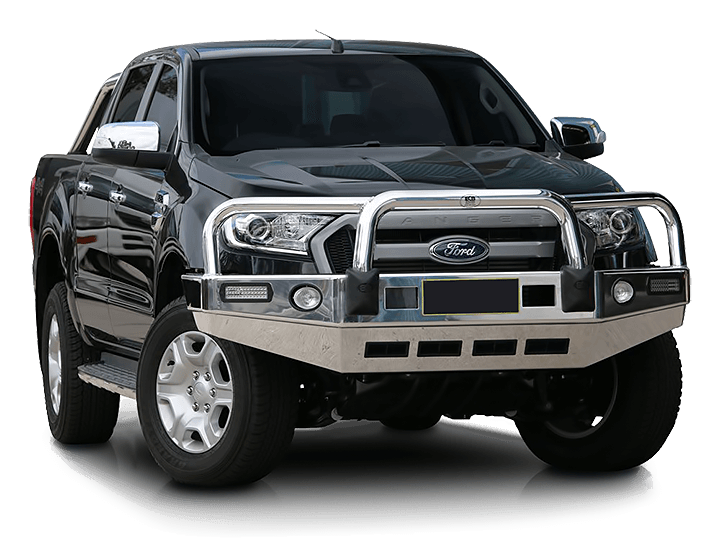
Ranger, Raptor and Super Duty Applications
The Ranger, Ranger Raptor and Ranger Super Duty are different vehicles, but the transmission heat management concern is relevant across the 10-speed platform.
A standard Ranger used for towing or touring can run hot.
A Ranger Raptor used for sand, off-road driving, larger tyres, tuning or added weight can run hot.
A Ranger Super Duty, even with its heavier-duty design intent, can still run hot when it is worked hard under load.
The recommendation should not be based only on the model badge. It should be based on transmission temperature, vehicle setup, towing weight, tyre size, accessory load and the way the vehicle is actually used.
Who Benefits Most From a 10 Speed Transmission Cooling Upgrade?
A cooling upgrade is most relevant for vehicles used for:
- Caravan towing
- Boat and trailer towing
- Long distance touring
- Beach driving
- Sand driving
- Heavy trade use
- Larger tyres
- GVM upgrades
- Engine tuning
- Added accessory weight
- Hot climate operation
- Sustained low speed off-road work
If the vehicle is used lightly, the need for a cooling upgrade depends on actual temperature data and usage.
If the vehicle regularly tows, carries weight or runs hot during normal use, a cooling upgrade becomes much more important.
Supporting Upgrades Worth Considering
Cooling is only one part of the overall transmission reliability picture.
Depending on the vehicle, its condition and how it is used, supporting work may include:
Transmission Servicing
A transmission service confirms fluid condition and gives the vehicle a known service baseline.
For towing, touring and heavy load use, shorter service intervals are usually more appropriate than waiting for long factory intervals.
Temperature Monitoring
Temperature monitoring gives the owner real information.
Instead of relying on a vague factory range indicator, the driver can see the actual transmission temperature and how it responds to load.
Transmission Remapping
Transmission remapping can influence shift timing, gear selection and torque converter lock-up.
Where suitable, transmission remapping can help improve drivability and reduce unnecessary heat generation under load.
Valve Body Upgrades
A valve body upgrade improves the hydraulic control inside the transmission.
The main benefits are increased clutch clamping force, faster shift transition, improved converter lock-up apply pressure and a more positive shift feel. This helps the transmission apply gears and converter lock-up with less slip and better control.
The result is a stronger, more controlled transmission operation under load, with improved shift consistency and reduced heat generation during gear changes and converter lock-up.
A Cooler Upgrade Is Not a Repair for a Failed Transmission
A transmission cooling upgrade helps manage heat. It does not repair a transmission that is already damaged.
If the vehicle has slipping, flaring, harsh shifting, shudder, fault codes, warning lights or burnt fluid, the transmission should be diagnosed properly before upgrades are fitted.
Cooling is best used to protect a transmission that is still healthy but being worked hard.
If there is already a fault, the correct repair needs to be identified first.
Common Questions About 10 Speed Transmission Cooling
Does the Ranger 10 speed transmission run hot?
Yes, these transmissions can run hot, especially in towing, touring, sand driving, heavy load and hot climate applications. Some vehicles may already be operating hotter than ideal while the factory dash display still appears normal.
Does the factory dash show the real transmission temperature?
Not as a proper live temperature number. Many vehicles show a range indicator, but that does not tell the driver the actual transmission fluid temperature. The transmission can already be hotter than ideal before the display looks concerning.
Is fitting a larger cooler enough?
Not on its own.
For the cooler to work properly, the thermostat control valve needs to be modified so the transmission has full-time flow through the cooler circuit. Otherwise, the cooler may not be used as effectively as it should be.
Why does the valve body need to come out?
The thermostat control valve is located within the valve body assembly. To modify it correctly, the valve body needs to be removed and disassembled.
Will the transmission run too cold after the modification?
The goal is not to overcool the transmission. The goal is to bring operating temperatures back into a more suitable range under normal towing, touring and heavy load conditions.
Is this relevant to the Ranger Raptor?
Yes. The Ranger Raptor can also benefit from transmission cooling improvements, especially when used for sand driving, off-road touring, larger tyres, tuning or added weight.
Is this relevant to the Ranger Super Duty?
Yes. The Super Duty is designed for heavier work, but it can still run hot under load. The cooling recommendation should be based on actual vehicle use and temperature behaviour.
Does heat affect transmission life?
Yes. Sustained heat accelerates transmission fluid breakdown and increases stress on clutches, seals, solenoids, the valve body and torque converter.
Should I fit a temperature monitor?
For towing, touring and 4WD use, temperature monitoring is highly recommended. It gives the driver real information instead of relying on a vague factory temperature range display.
Talk to Ron Hill Automatics About 10 Speed Transmission Cooling
If your Ranger, Ranger Raptor or Ranger Super Duty is used for towing, touring, off-road work, larger tyres, added weight or engine tuning, transmission temperature management is worth taking seriously.
Ron Hill Automatics can assess the vehicle, discuss how it is used, check transmission condition and recommend a cooling upgrade suited to the application.
A proper upgrade is not just a cooler fitted to the front of the vehicle. It includes the correct cooler setup, correct plumbing and thermostat control valve modification to allow full-time cooler flow and better temperature control.
Make an enquiry or call Ron Hill Automatics on (07) 5443 4444.