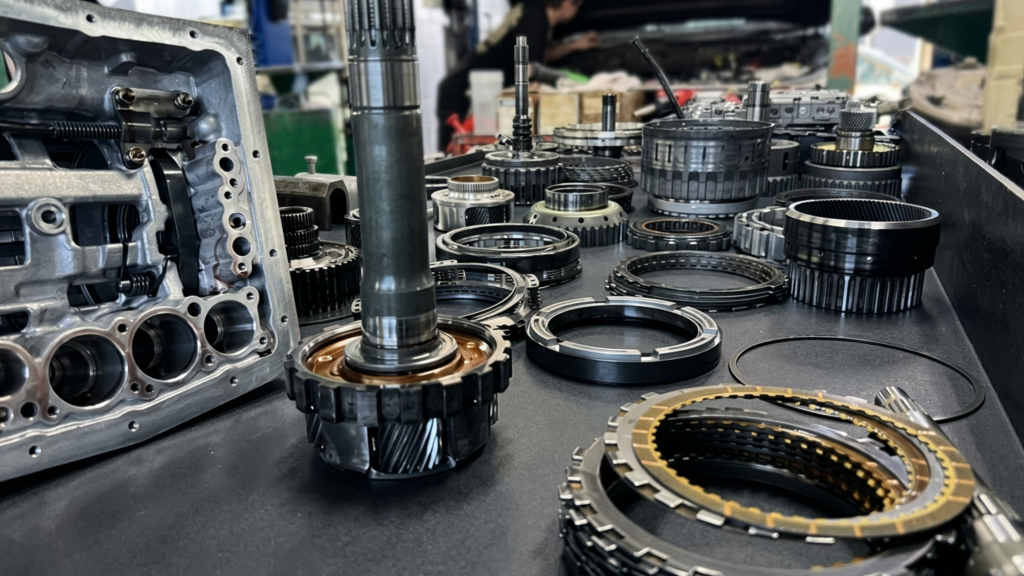

Most automatic transmission failures don’t happen overnight. In most cases, the gearbox starts showing warning signs long before complete failure occurs. The problem is that early symptoms are often dismissed as “just how the car drives now” until the day the vehicle suddenly won’t shift properly or drops into limp mode on the side of the road.
After more than 50 years working on automatic transmissions across the Sunshine Coast, the same patterns appear again and again. Drivers who act early can often get away with a transmission service or targeted repair. Those who wait too long usually end up needing major transmission work or a full rebuild.
This guide explains the most common signs of automatic transmission failure, what those symptoms usually mean, and how urgently they should be inspected.
Why early signs matter
An automatic transmission is a complex hydraulic, mechanical and electronic system operating under heat, pressure, and load. When something begins to fail, whether it’s degraded fluid, a worn clutch pack, a failing solenoid, or internal wear, the transmission can often continue operating for some time before major symptoms appear.
That’s where problems become expensive. By the time a fault becomes impossible to ignore, the transmission has often moved beyond a routine service and into major repair or rebuild territory.
The cost difference can be significant. A transmission service and filter replacement is a fraction of the cost of rebuilding or replacing a failed unit. Catching problems early is one of the most effective ways to reduce long-term transmission repair costs and extend gearbox life.
The Most Common Signs Of Automatic Transmission Failure
1. Slipping Gears
This is one of the clearest warning signs of internal transmission wear. Slipping usually feels like the engine revs increase without matching acceleration, or the transmission briefly falls out of gear under load. The problem often becomes more noticeable during towing, acceleration, or uphill driving.
What it usually means:
Worn clutch packs, low transmission fluid, valve body wear, solenoid failure or a failing torque converter.
How urgent:
High. Transmission slipping creates additional internal heat and wear every time it occurs. Ignoring it often turns a smaller repair into a full rebuild.
2. Delayed Or Harsh Shifting
If the transmission hesitates before engaging Drive or Reverse, or gear changes suddenly feel harsh or aggressive, it’s usually a sign that something inside the hydraulic or electronic control system isn’t operating correctly. Many vehicles also develop delayed engagement or rough shifting during cold starts before symptoms gradually worsen over time.
What it usually means:
Low or contaminated transmission fluid, valve body wear, failing solenoids, internal clutch failure or adaptive shift calibration issues.
How urgent:
High. Early inspection is recommended before wear spreads further through the transmission. In some cases, servicing the transmission early can resolve the issue before internal damage occurs.
3. Shuddering Or Vibration During Driving
A rhythmic shudder or vibration at cruising speed, particularly around torque converter lock-up, is one of the most common transmission complaints in modern automatics. Many drivers describe it as feeling like driving over rumble strips even though the road surface is smooth.
What it usually means:
Contaminated or degraded transmission fluid, torque converter lock-up clutch issues, valve body wear or excessive heat affecting fluid performance.
How urgent:
Moderate to high. Many shudder-related issues can be improved with early servicing. Left too long, internal torque converter damage can develop and lead to more extensive transmission repairs.
4. Burning or Hot Smell
A burnt or hot smell after driving, towing, or climbing steep grades is a strong sign that transmission temperatures are running too high. Automatic transmission fluid rapidly loses its protective properties when overheated, allowing accelerated wear inside the transmission.
What it usually means:
Overheated or degraded transmission fluid, restricted cooling flow, or a cooling system no longer capable of handling the vehicle load.
How urgent:
High. Heat is one of the leading causes of automatic transmission failure. A persistent burning smell should be inspected as soon as possible before major internal damage occurs.
5. Strange Noises – Whining, Clunking, Or Humming
Automatic transmissions are normally quiet during operation. Whining noises that rise with vehicle speed, clunking during gear engagement, or constant humming sounds can all indicate developing transmission problems.
What it usually means:
Whining and humming are commonly linked to low fluid levels, pump issues, or bearing wear. Clunking noises may indicate internal component wear, driveline movement, or mechanical damage inside the transmission.
How urgent:
Moderate to high, depending on the noise type and severity. Any new transmission noise should be inspected before further damage develops.
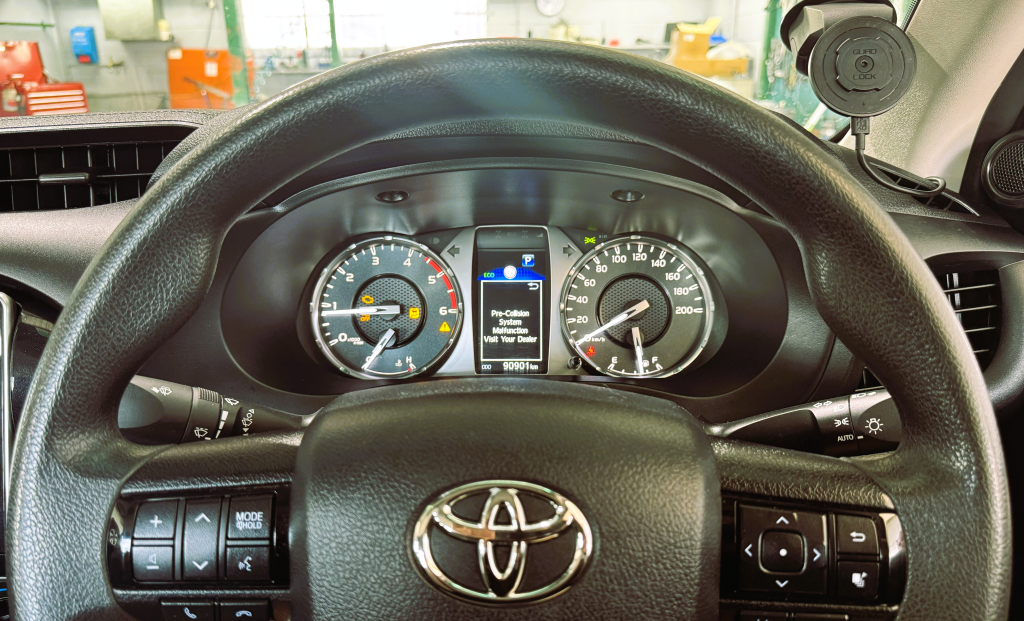
6. Transmission Warning Light Or Check Engine Light
Modern vehicles constantly monitor transmission operation using sensors, pressure readings, and temperature data. If the transmission control system detects abnormal operation, a warning light or fault code may be triggered.
What it usually means:
Transmission fault codes can range from sensor and solenoid faults through to pressure loss, overheating, or internal mechanical failure. Proper diagnostic scanning is required to identify the root cause accurately.
How urgent:
High. Warning lights should never be ignored, especially if the vehicle has entered limp mode or is restricting gear selection to protect itself from further damage.
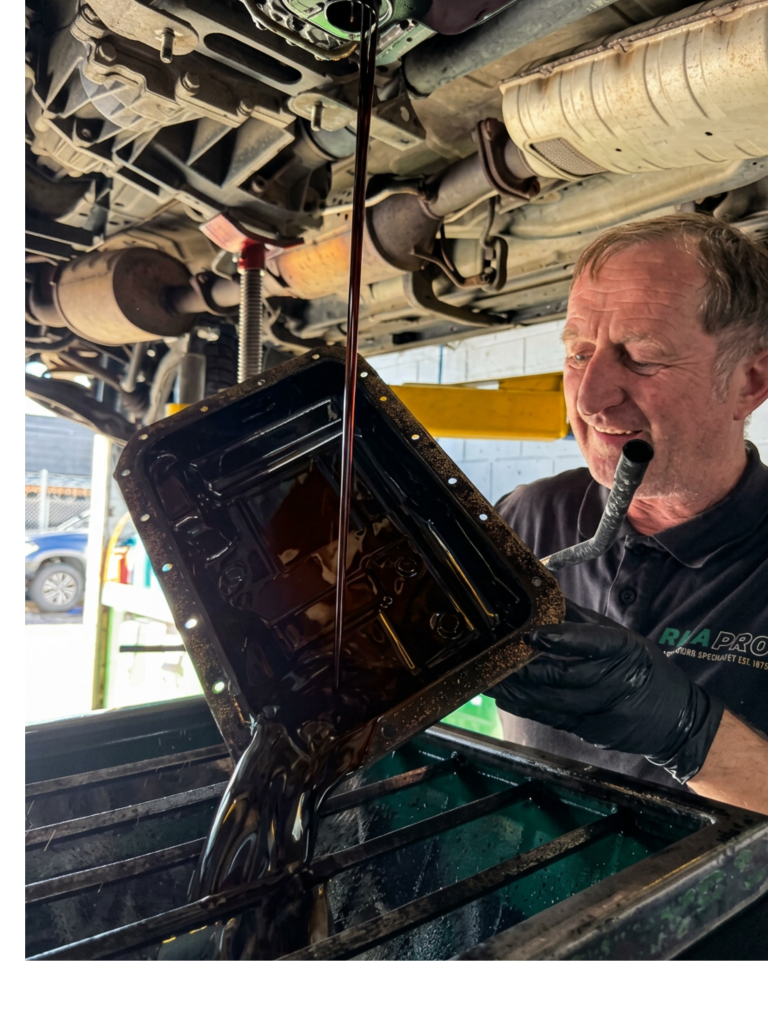
7. Dark, burnt, or low transmission fluid
Healthy automatic transmission fluid is typically bright in colour with a slightly sweet smell. Fluid that appears dark brown, black, burnt-smelling, or contaminated indicates the transmission is operating under excessive heat or wear conditions.
What it usually means:
Overdue servicing, overheating, internal clutch wear, contaminated fluid, or external leaks allowing fluid loss.
How urgent:
High. Low or degraded fluid quickly reduces lubrication and hydraulic pressure inside the transmission, accelerating internal wear and increasing the risk of major failure.
What’s actually causing all of this?
Most of the symptoms above trace back to a small number of root causes. Understanding them helps you prevent the problems in the first place.
Heat
Transmission fluid is designed to operate within a controlled temperature range. Excessive heat caused by towing, off-road driving, heavy loads, stop-start traffic, or inadequate cooling rapidly breaks down fluid performance and accelerates internal wear.
Every increase in operating temperature above the ideal range significantly shortens fluid life and reduces the transmission’s ability to protect internal components.
Old Or Incorrect Transmission Fluid
Transmission fluid degrades over time. It oxidises, loses protective additives, and becomes contaminated with friction material and metal particles. Using incorrect fluid specifications can create shift quality issues, pressure problems, and accelerated component wear.
Modern automatic transmissions are extremely sensitive to fluid quality and specification.
Skipped Transmission Servicing
“Sealed for life” transmission claims have caused major long-term reliability problems across many vehicles. Transmission fluid still deteriorates with age, heat, and use, regardless of the manufacturer’s marketing claims.
Vehicles used for towing, 4WD driving, or heavy traffic conditions generally require more frequent transmission servicing than standard driving applications.
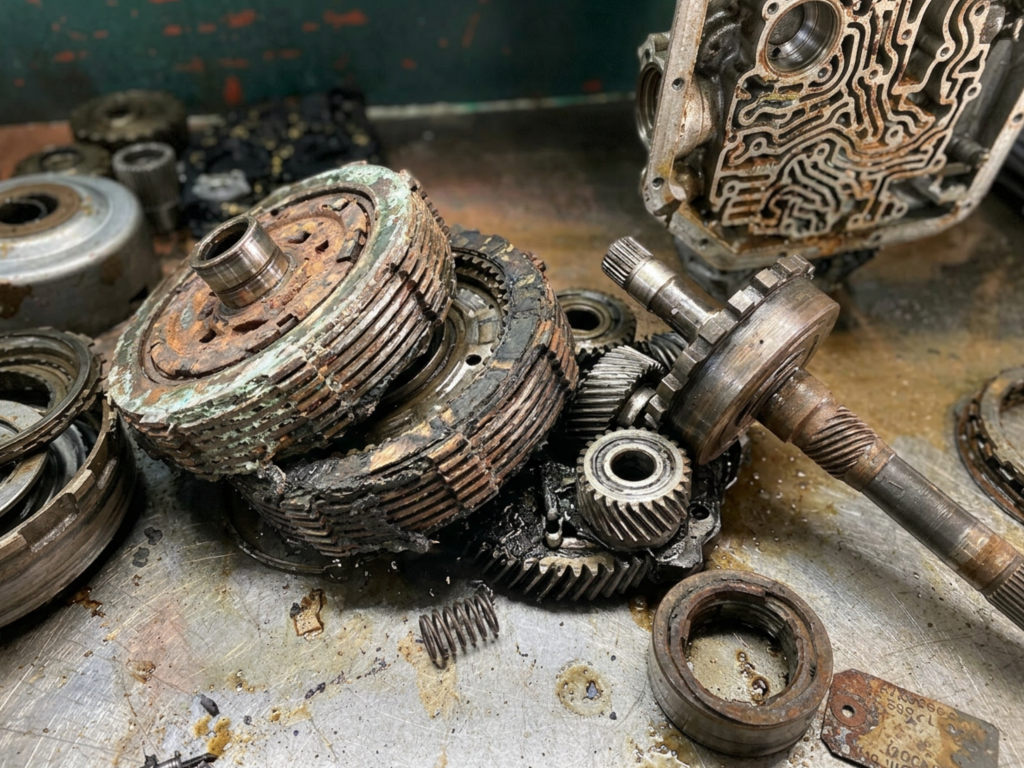
Internal Wear And Component Fatigue
Clutch packs, valve bodies, solenoids, seals, bearings, and torque converters all wear gradually over time. Regular servicing slows that wear significantly, while neglected fluid condition accelerates internal damage.
Mechanical Damage
Driving through flood water, operating with low fluid levels, impact damage, or overheating can all create sudden transmission failures requiring major repair or replacement work.
What To Do If You’re Noticing Any Of These Signs
If your vehicle is showing any of the symptoms above, the next step depends on the severity of the issue.
For early symptoms such as occasional shuddering, slightly delayed shifts, or overdue servicing intervals, a transmission service may help prevent further wear and restore normal operation before internal damage develops.
For more serious symptoms such as slipping gears, warning lights, burning smells, limp mode, or harsh shifting, a diagnostic assessment is usually the best starting point. Once internal damage begins, simply replacing the fluid often won’t resolve the underlying problem.
Acting early is almost always the cheaper option. A routine transmission service costs far less than rebuilding or replacing a failed gearbox.
If your vehicle is showing signs of transmission failure on the Sunshine Coast, contact Ron Hill Automatics for honest advice, proper diagnostics, and transmission repairs tailored to your vehicle application.
Frequently Asked Questions
What are the early signs that an automatic transmission may be failing?
Early transmission problems are usually subtle at first. Delayed engagement when selecting Drive, harsh or delayed gear changes, shuddering at highway speed, hesitation under acceleration, or a faint burning smell can all indicate developing transmission issues. Many vehicles also take longer to engage gears during cold starts before symptoms gradually worsen over time.
These early warning signs are often the cheapest stage to repair. In many cases, a transmission service completed early can help prevent more serious internal damage from developing.
How can I diagnose automatic transmission issues at home?
There’s a limit to what can realistically be checked at home. On vehicles with a transmission dipstick, fluid condition and level can still be inspected. Healthy transmission fluid is typically bright red or pink with a slightly sweet smell. Dark, burnt-smelling, or low fluid usually indicates the transmission needs attention.
It also helps to note exactly when symptoms occur, such as during cold starts, towing, acceleration, or highway driving. This information can significantly speed up the diagnostic process.
What can’t be assessed properly at home are transmission fault codes, hydraulic pressure issues, valve body wear, or internal clutch damage. Most modern transmissions also no longer have user-accessible dipsticks. If something feels wrong, a specialist diagnostic assessment is usually the safest next step.
What costs should I expect when repairing or replacing an automatic transmission?
Transmission repair costs vary significantly depending on the fault, vehicle type, and extent of internal damage. Routine servicing is always the lowest-cost option, while targeted repairs such as solenoids, valve body faults, or leak repairs generally sit in the middle range. Full rebuilds or replacement transmissions are the most expensive due to the labour and component requirements involved.
The most important thing to understand is that acting early almost always reduces overall repair costs. Catching a fluid or pressure issue early can prevent the chain of internal damage that eventually leads to a major rebuild.
What preventive measures help avoid automatic transmission failure?
Regular transmission servicing is one of the most effective ways to prevent automatic transmission problems. For most vehicles, servicing every 40,000 km or two years is a good baseline, with more frequent servicing recommended for towing, off-road driving, or heavy-use conditions.
Driving habits also make a difference. Allowing the vehicle to warm up briefly before heavy acceleration, coming to a complete stop before shifting between Drive and Reverse, and avoiding excessive transmission heat all help reduce wear.
Vehicles used regularly for towing or 4WD driving can also benefit from external transmission cooling and temperature monitoring systems to help manage operating temperatures more effectively.
What are the most common causes of automatic transmission failure?
The most common causes are excessive heat, old or contaminated transmission fluid, skipped servicing, and operating the transmission with incorrect fluid specifications. Internal wear gradually develops over time, particularly in vehicles used for towing, off-road driving, or heavy-load applications.Early-stage issues are often repairable through servicing or targeted repairs. Once clutch packs, valve bodies, bearings, or torque converters become heavily worn or damaged, rebuilding or replacing the transmission is usually the only reliable option.