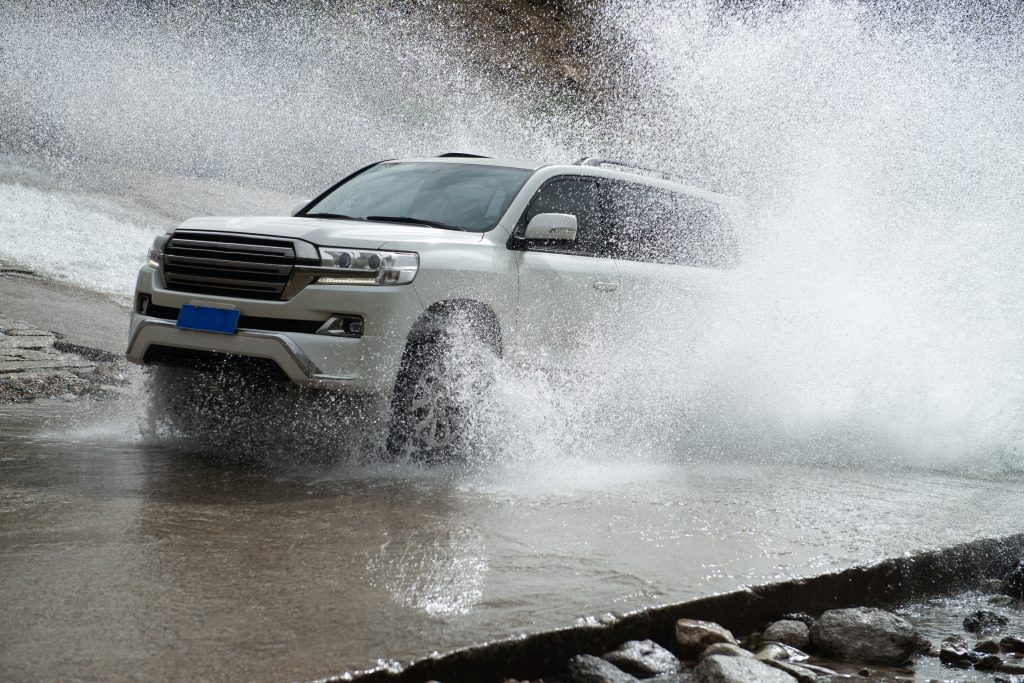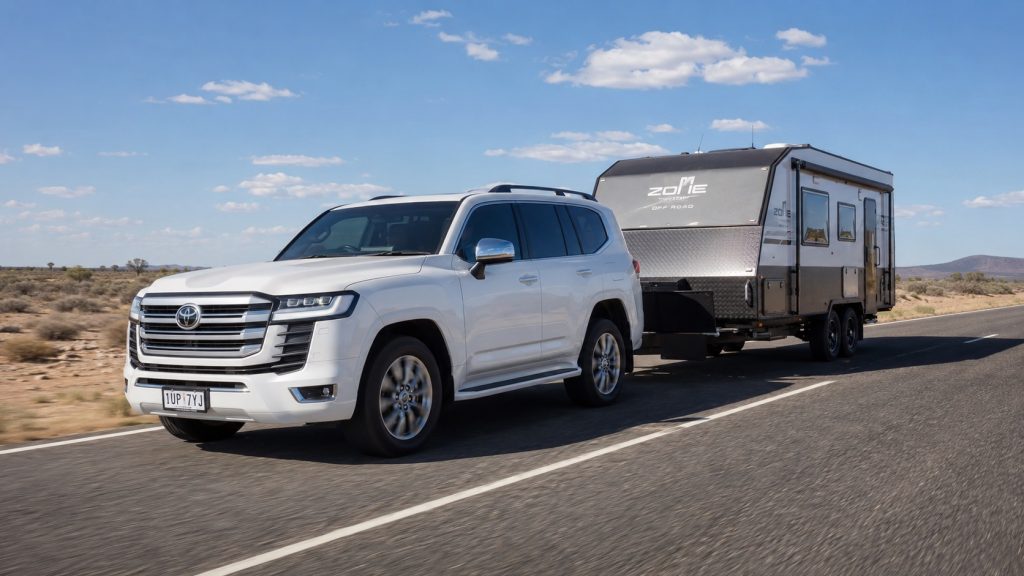

A transmission lock-up kit can be a worthwhile upgrade for vehicles that tow, carry heavy loads or spend a lot of time driving under sustained load.
In many automatic transmissions, the torque converter is allowed to slip under certain driving conditions. That slip creates heat and reduces the direct connection between the engine and the wheels. A lock-up kit gives greater control over when the torque converter clutch is applied, helping reduce unnecessary converter slip where the transmission and driving conditions allow it.
The result can be lower transmission temperatures, improved engine braking on descents, a more direct feel under load and better control when towing.
This article explains how a transmission lock-up kit works, why torque converter slip matters, what changes once a kit is fitted, which vehicles benefit most and what to look for when choosing a system.
What Is A Transmission Lock Up Kit?
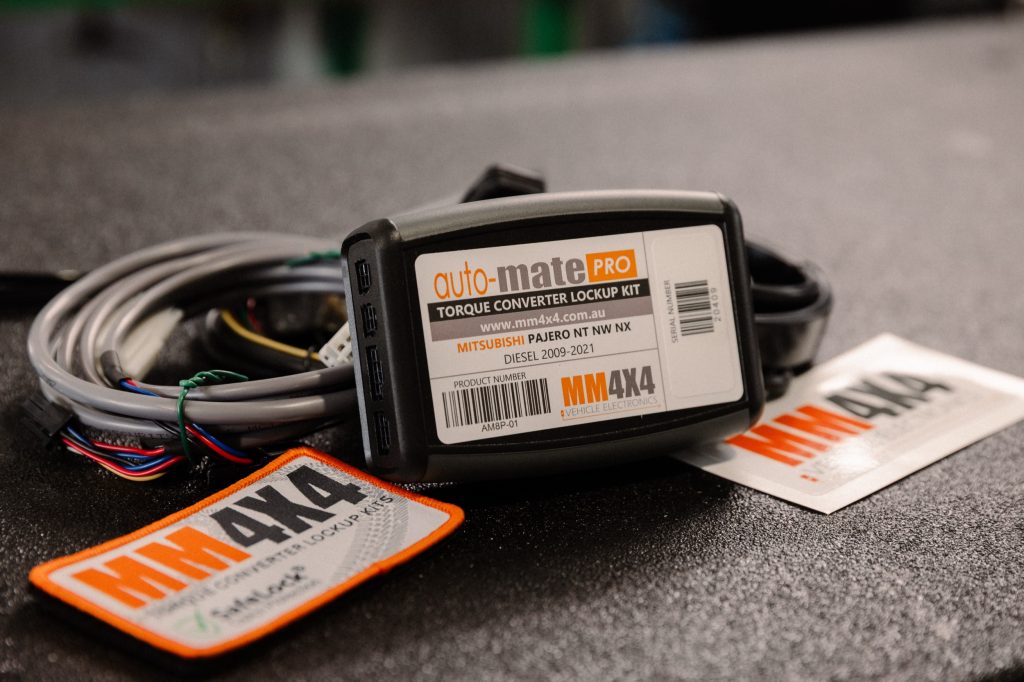
A transmission lock-up kit is an electronic control system that gives greater control over when the torque converter lock-up clutch engages and releases.
From the factory, the transmission control system decides when the torque converter should lock and unlock based on vehicle speed, throttle position, load and other operating conditions. A lock-up kit works alongside that factory control strategy, allowing the converter to remain locked in situations where the factory programming may otherwise allow it to unlock and slip.
Depending on the system and vehicle, lock-up control can operate automatically, provide manual control in certain conditions, or allow the vehicle to be returned to its normal factory operation.
Nothing needs to be changed internally within the transmission. The aim is simply to provide better control of the torque converter lock-up clutch to suit applications such as towing, touring and sustained load.
Why Torque Converter Slip Is The Problem
In a conventional automatic transmission, the torque converter transfers drive from the engine into the transmission through fluid. When the engine side of the converter is turning faster than the transmission side, that difference is known as torque converter slip.
Some slip is necessary when pulling away from a stop and can provide useful torque multiplication at low speed. The problem comes when the converter continues to slip unnecessarily under load, because that lost energy is converted into heat in the transmission fluid.
Modern torque converters use a lock-up clutch to create a mechanical connection through the converter and reduce this slip. Factory programming controls when that clutch applies and releases, and under increased throttle or load it may unlock the converter to improve smoothness and drivability.
This becomes particularly relevant in towing vehicles such as the LandCruiser 200 Series, Toyota Prado and Hilux, and Isuzu D-Max and MU-X. Climbing a long grade with a caravan behind you can see the converter repeatedly lock and unlock, or remain unlocked for extended periods, increasing heat generation when the transmission is already working hard.
Excessive transmission temperature accelerates fluid deterioration and can contribute to clutch wear, seal deterioration and other internal transmission problems. Managing unnecessary converter slip is therefore one of the key ways to help control transmission temperature in vehicles used for regular towing or heavy-load driving.
What Changes When You Fit One
When the torque converter is kept locked in the right conditions, you can notice several changes in how the vehicle behaves under load.
Transmission Temperatures Can Drop
When the converter is locked, slip through the converter is greatly reduced. That means less heat is being generated in the transmission fluid.
This can make a noticeable difference during towing, long climbs and sustained load, particularly in vehicles that spend a lot of time with the converter unlocked.
Engine Braking Improves
With the converter locked, there is a more direct mechanical connection between the engine and the driveline.
On long descents, this allows engine braking to work more effectively, helping the vehicle hold speed and reducing reliance on the service brakes.
Less Locking, Unlocking And Gear Hunting
On undulating roads, factory transmission programming can repeatedly lock and unlock the converter and change gears as load changes.
A well set-up lock-up control system can reduce this unnecessary cycling and make the vehicle feel more settled and consistent, particularly when towing.
More Direct Drive And Improved Efficiency
Reducing converter slip creates a more direct connection between the engine and the wheels.
The vehicle can feel more responsive under load, with less of the soft or disconnected feeling that can come from converter slip. Because less energy is being lost as heat, fuel economy may also improve in some towing and highway conditions.

Is A Lock Up Kit Worth It On A 200 Series LandCruiser?
For many owners who tow regularly, a 200 Series LandCruiser transmission lock-up kit can be a very worthwhile upgrade.
The 200 Series is a popular platform for towing caravans, boats and heavy trailers, and its six-speed automatic transmission is generally very capable. Under sustained load, however, the factory torque converter lock-up strategy can allow the converter to unlock and slip, particularly when climbing hills or accelerating with weight behind the vehicle.
Add larger tyres, accessories, touring equipment and a loaded caravan, and the transmission can be working considerably harder than it does in normal unloaded driving.
A 200 Series transmission lock-up kit gives greater control over the torque converter clutch, helping reduce unnecessary converter slip, improve engine braking and better manage transmission temperature when towing.
For vehicles that tow regularly, lock-up control is often one of the first transmission upgrades worth considering, either on its own or together with improved transmission cooling.
The best transmission lock-up kit for a 200 Series is one specified for the vehicle’s transmission, fitted by a specialist and set up to operate at the right speeds and loads, with the transmission confirmed to be in good condition first.
The same principles can also apply to other popular towing and touring vehicles such as the Toyota Prado, Toyota Hilux, Isuzu D-Max and Isuzu MU-X, depending on the transmission and factory lock-up strategy.
What About The Toyota Hilux, Prado, Isuzu D-Max And MU-X?
The Toyota Hilux and Prado, along with the Isuzu D-Max and MU-X, are another group of vehicles that can benefit significantly from torque converter lock-up control.
These vehicles use variants of the Aisin AC60 six-speed automatic transmission, which is widely used across the 4WD and towing market. In standard form, the transmission’s lock-up strategy is calibrated to suit a broad range of driving conditions, fuel economy targets and factory operating requirements. When towing or operating under sustained load, however, the torque converter can spend more time unlocked and slipping than is ideal.
A correctly set-up lock-up control system gives greater control over when the converter clutch is applied, helping reduce unnecessary slip and heat while creating a more direct connection through the driveline. It can also improve engine braking when descending hills with a caravan or trailer behind the vehicle.
As with the 200 Series LandCruiser, the aim is not simply to lock the converter all the time. The system needs to operate at the right speeds, loads and transmission conditions so the benefits of additional lock-up are achieved without compromising normal transmission operation.
Before fitting lock-up control, the transmission should also be in good operating condition. Existing converter shudder, poor fluid condition or other transmission faults need to be identified first rather than expecting the controller to correct them.
What A Lock Up Kit Will Not Do
A lock-up kit is only one part of the transmission system, and it is important to understand what it will not fix.
- It will not repair an existing fault. Shudder, slipping, harsh operation or limp mode should be diagnosed before fitting lock-up control.
- It will not correct internal hydraulic or clutch problems. A valve body upgrade may improve hydraulic control and clutch application, but it serves a different purpose to a lock-up kit.
- It will not cool the transmission on its own. Lock-up control can reduce heat generated through torque converter slip, while a transmission cooling upgrade helps remove heat from the fluid.
- It will not tell you what temperature the transmission is running. A temperature monitoring system gives you visibility of how the transmission is operating under towing and load.
For vehicles that tow regularly, lock-up control, improved cooling, valve body upgrades and temperature monitoring can all play different roles. The right combination depends on the vehicle, its load, how it is used and the condition of the transmission.
Frequently Asked Questions
Can I Fit A Transmission Lock Up Kit Myself?
Some lock-up kits are available for DIY fitment, but installation is only one part of the job. The transmission should be checked first to make sure the torque converter, fluid condition and general transmission operation are suitable for lock-up control.
A specialist installation also allows the wiring, operating strategy and road behaviour to be checked properly before the vehicle is put back into service.
Will A Lock Up Kit Affect My New Vehicle Warranty?
Any aftermarket modification has the potential to affect a warranty claim if the modification is found to have contributed to the fault.
A quality lock-up control system can generally be disabled to return the vehicle to normal factory operation, but warranty implications can vary between vehicles and manufacturers. It is worth checking this before fitting a system to a vehicle still covered by new vehicle warranty.
Does A Lock Up Kit Make The Transmission Shift Harder?
Not by itself. A lock-up controller changes the operation of the torque converter lock-up clutch, rather than directly increasing shift pressure or making the transmission change gears harder.
If the aim is improved clutch control, faster shifts or increased hydraulic pressure under load, that is generally the role of a valve body upgrade or transmission calibration rather than the lock-up controller itself.
Do I Need A Lock Up Kit If I Already Have A Transmission Cooler?
Potentially, yes. A transmission cooler and a lock-up kit perform different jobs.
A cooler helps remove heat from the transmission fluid, while lock-up control can reduce the amount of heat being generated through unnecessary torque converter slip in the first place.
For towing vehicles, the two upgrades can work very well together. Which one is required depends on the vehicle, how it is being used and what the transmission is doing under load.
How Do I Know If My Torque Converter Is Slipping When Towing?
One of the easiest signs to notice is engine RPM changing without a corresponding gear change or increase in road speed.
When the torque converter unlocks or begins slipping under load, engine speed can rise while the vehicle remains in the same gear. On a long climb this may also be accompanied by increasing transmission temperature.
In some vehicles, excessive torque converter clutch slip can also trigger a P0741 torque converter clutch performance or stuck-off fault code. This generally means the transmission control system has commanded converter lock-up but is seeing more slip than expected.
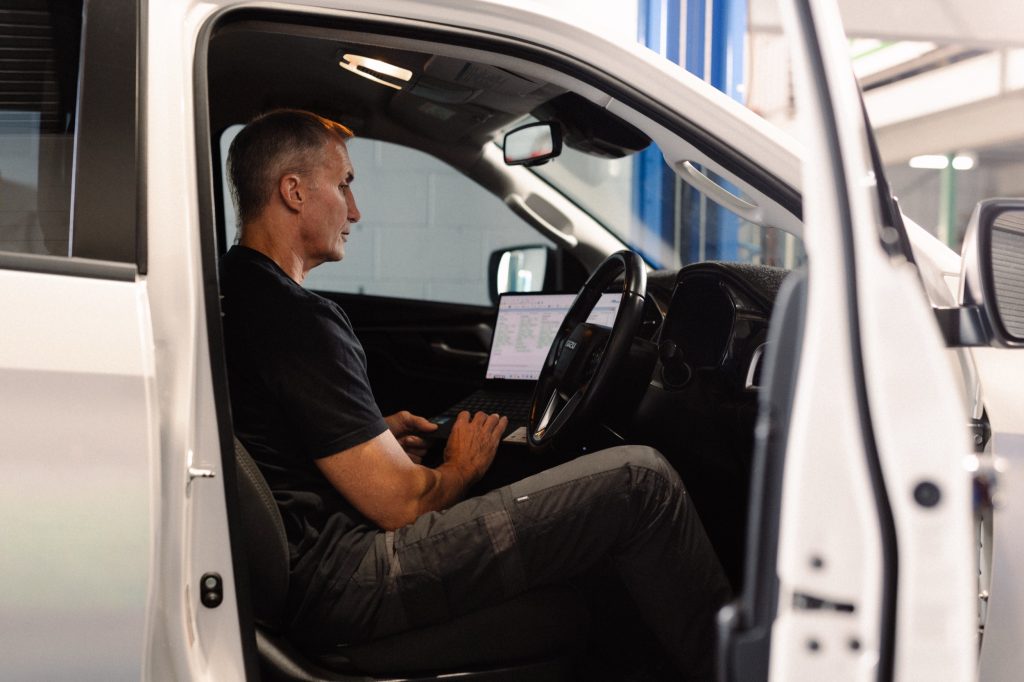
A P0741 fault does not automatically mean the torque converter itself has failed, as hydraulic, valve body, solenoid and fluid-related problems can produce similar results. The most reliable way to confirm the cause is through transmission diagnostics and live data, checking converter lock-up command, slip speed and transmission temperature under real driving conditions.
Towing this season? Call Ron Hill Automatics in Buderim on (07) 5443 4444 to book a transmission assessment and find out whether lock-up control is the right first upgrade for your vehicle.